Road Edging
1. Early roads—like Mesopotamian compacted earthways (~4000 BC) and Roman stone pavements (~500 BC)—often featured kerbstones to delineate edges for drainage and footways .
Roman roads, built with layered stone, lime mortar, and kerbstones, set a structural precedent for edge detailing and longevity.
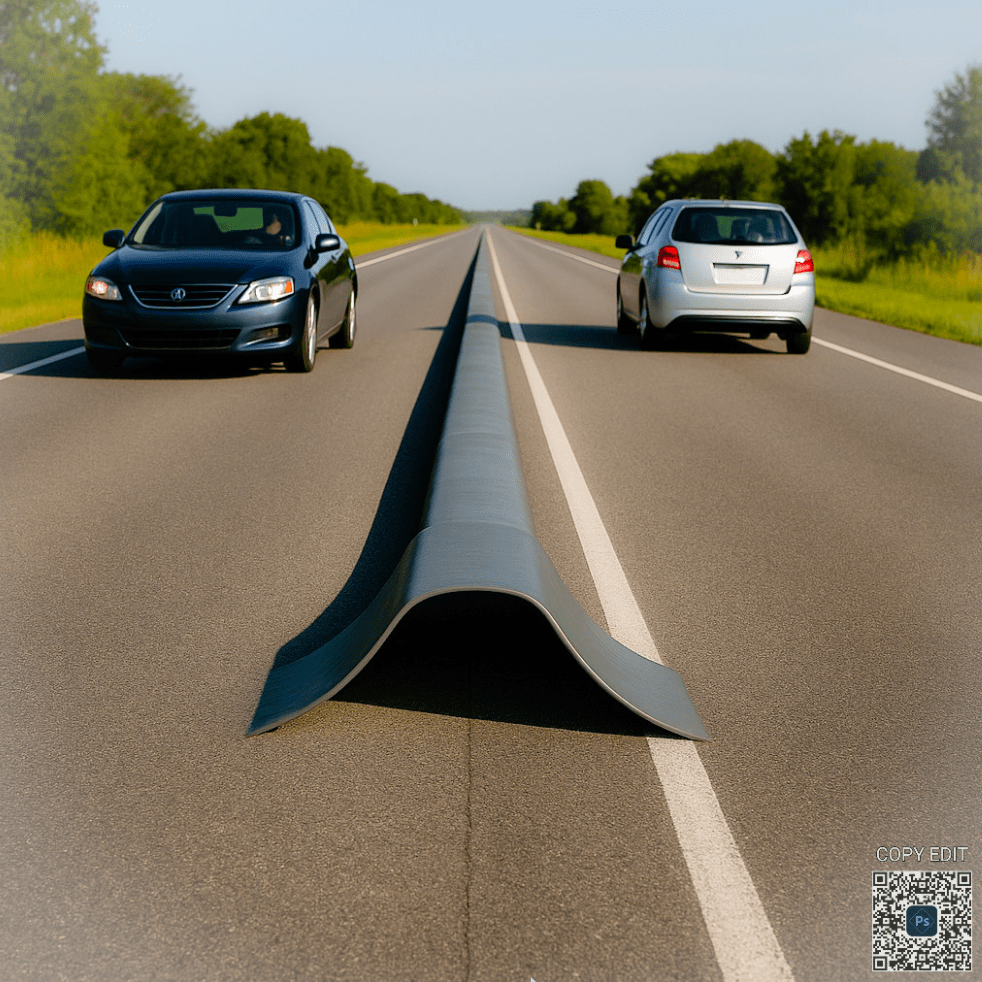
Above image: Licensing available from 5 dollars a meter.
2. Developments in medieval and pre-industrial roads
Medieval and early modern roads incorporated curbstones and basic edge treatments, evolving with stone-paved surfaces and wooden structures over marshlands or crossings .
French engineer Tresaguet (1764) formalized edge construction in road design with kerbstones, gravel shoulders, cross-slope and drainage features .
3. Macadam and structural edging
John Loudon McAdam’s layered crushed-stone macadam roads (~early 19th century) included distinct shoulders and edge profiles for drainage and structural integrity .
Edges became engineered zones—typically compacted stone then sealed—with attention to camber and side support.
4. Asphalt, concrete and striping era
In the late 19th & early 20th centuries, petrol-based asphalt supplanted natural asphalts (e.g. Trinidad Lake asphalt) and became the dominant surfacing; edges became smoother and tied into curb systems, pavements and markings .
Paint striping to mark road edges emerged around the 1910s in the U.S. (Edward Hines in Michigan 1911; June McCarroll in California 1917) and UK (around 1918), later becoming standardized via the MUTCD in 1935 with specified edge line colors and widths .
5. Modern edging: ShapeWay’s curved steel system
ShapeWay, known for its patented Curved Steel Road Edging System, offers a gentle 150 mm radius steel profile that actively guides drifting tires back onto the road—aimed at reducing rollovers and improving safety. It differs fundamentally from traditional kerbing by offering active recovery rather than passive containment .
This contemporary edging reflects a shift toward safety-centric, engineered edge structures beyond purely structural or delineative roles.

Summary Timeline
- Period Road Edging Features
- Ancient–Roman Stone slabs, kerbstones, drainage edge detail
- Medieval–18th century Kerbs, wooden/stone bridges, cambered shoulders
- Early 19th century (macadam) Compacted stone shoulders, drainage-graded edges
- Late 19th–early 20th century Asphalt/concrete paving with painted edge lines
- Today (e.g. Shapeway) Patented steel curvature edge for tire guidance
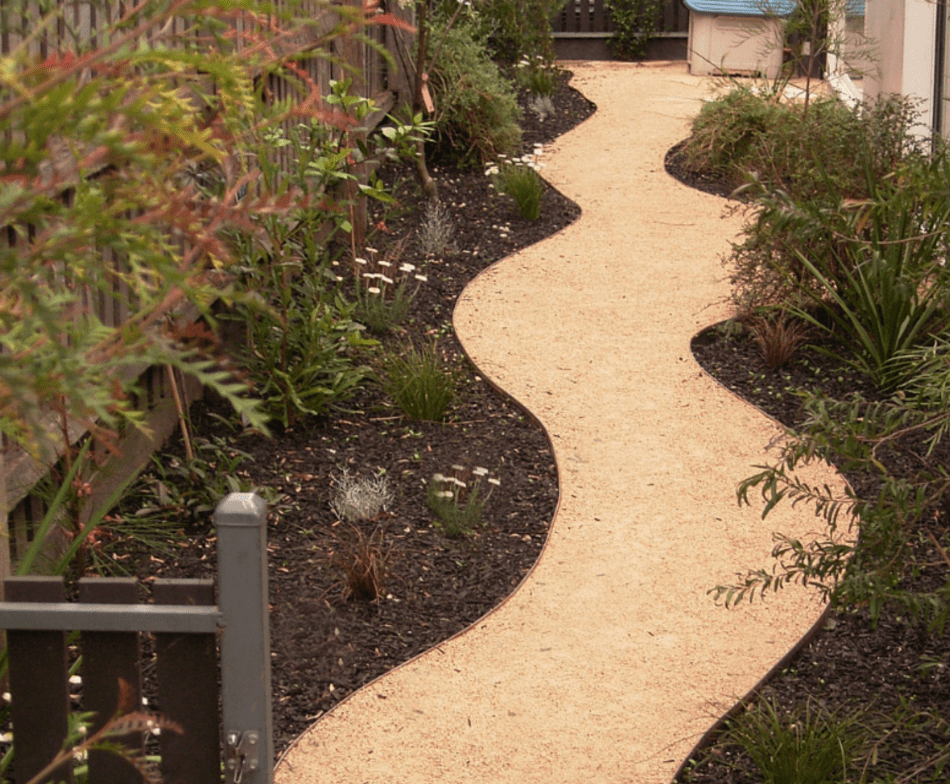
Why this evolution matters?
- Structural integrity: edges support and prolong pavement life.
- Drainage control: properly engineered edges prevent erosion and flooding.
- Safety enhancement: from passive kerbs to active guidance systems.
- Clarity: visual striping helps delineate lanes and edges.
- Modern innovation: firms like ShapeWay are evolving edging from static to active engineering.
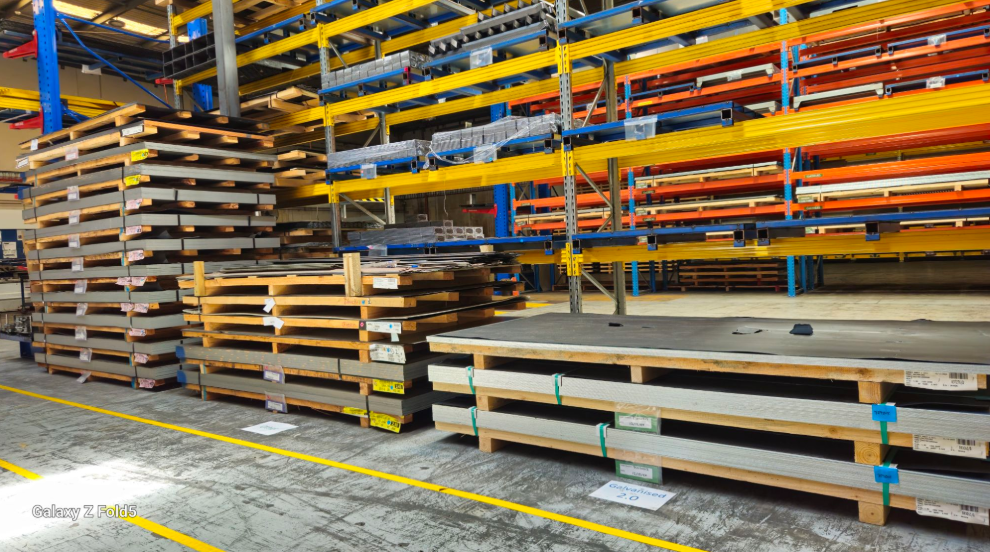
The above images posted, are some of the works done by our Founder Gerry in the past.
Pricing Chart
$19 per metre 7mm gap
Galvanised
Guaranteed for 15 years
Hot Rolled Material
| Material | Per Sheet | Per Metre |
| 1.6 mm | ||
| 3 mm | ||
| 5 mm |
Galvanised Material
| Material | Per Sheet | Per Metre |
| 0.55 mm | ||
| 1.55 mm | ||
| 2.95 mm |
*All Items marked are made to order, please allow up to 5 business days manufacturing lead timeFlat.
Contact us if you have any specific questions about landscaping.

🔗 Book a Time Now
💬 Message Directly on 0410548814 or Email us on germario12gmail.com
Donations are welcome at PayPal germario12gmail.com
 ShapeWay store